
How To Protect Your Parquet Floors From Scratches?
February 21, 2022
What To Do When You Spot a Termite On Your Wood Flooring?
May 23, 20227 Things To Note When Choosing Timber Decking

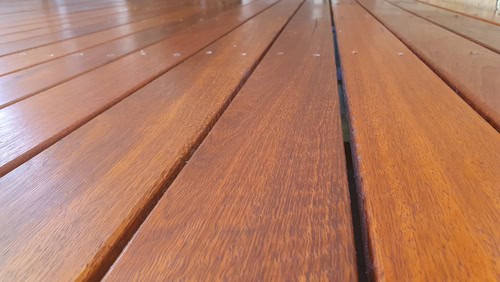
7 Things To Note When Choosing Timber Decking – Timber decking is one of the fastest-growing types of outdoor decking materials because it’s so versatile. As a natural product, timber decks have a fantastic quality that can’t be replicated in synthetic materials: they grow old with grace.
The most crucial factor in choosing a timber deck for your home is ensuring that you’re confident about your choice. There are many factors to consider when selecting timber decking, and this guide will teach you how to identify them and choose wisely. From knowing what type of wood suits your needs to understanding substrate’s importance, here are some tips on picking the perfect timber deck.
Read on – 7 Things To Note When Choosing Timber Decking
Wood Types

There are many wood types globally, but you’ll want to look at a few specific details when choosing your timber decking.
- What is the climate like where you live?
- How will the deck be used, e.g., for sitting on or standing on?
- Are there any access issues, such as a slope or height difference?
- Do you need the timber decking to be UV resistant?
The type of wood is probably the most crucial factor to consider when choosing timber decking. It can be challenging to choose because it’s a personal preference, and there are many types of wood to choose from. Some people prefer coarser woods, such as cedar, while others enjoy softer woods, like pine. It all depends on your preferences and what you’re looking for in the final product.
The only way to learn more about the different types of wood is to do some research. You’ll want to know what they look like, how they feel, and how they smell before you purchase one type over another. This will allow you to make an educated decision on what kind of wood will work best for your needs.
You also have the option of using composite wood or metal-wood composites for timber decking, which may be more affordable than natural hardwoods but still offer a similar look and quality. Make sure that whatever type you choose has a lifetime warranty so that you don’t have any worries about it breaking down prematurely.
Deck Design

Before you choose timber decking, take into consideration your design. There are many different types of methods that you can go with to fit the look and feel of your home or business. Your options range from a simple open-plan layout to more complex structures with garden beds and outdoor living areas. You should also think about the style of the timber decking boards that you want – do they need to be natural or stained?
Decking Cost

The first thing to consider is the cost of your timber deck. Cost is often confused with the price of the timber, but it’s more than that. The costs involved in building a deck are labor and supplies like screws, nails, and paint. You should also be prepared for some hidden costs based on the location where you live and what type of wood you use for your project.
Do you need to hire pros, or will you do most of the work yourself? If you’re doing it yourself, what’s your skill level? If you’re hiring a contractor, how much do they charge per square foot? It’s essential to consider these questions when estimating how much your deck will cost.
What is the substrate?

The substrate is what the timber decking will be installed on. For example, if you are installing timber decking on a concrete surface, you would need to install an underlayment first. The type of underlayment will depend on your kind of concrete surface. If you have a fine grain, then a coarse sand and cement mix may suffice, but for a rough grain surface, you’ll need polymer-modified mortar.
What’s the Purpose?
Timber decks are made from different types of woods, and there are many factors to consider when choosing a timber deck for your home. To help you decide which type of timber decking is best for your needs, here’s a quick breakdown of the types:
- Acacia Timber Decking:
This is one of the most durable (and expensive!) types of timber decks because it has natural UV inhibitors that protect it from discoloration or cracking. It’s also resistant to insects and rot and has good dimensional stability, so it doesn’t warp easily. - Cedar Timber Decking:
It can last up to 60 years with minimal maintenance! Naturally resistant to both water and insect damage, its natural oils make it fire retardant and create an organic preservative that slows down rot growth. - Redwood Timber Deck
This type is naturally resistant to insect damage and rot but not water damage like cedarwood, so this makes it easier to maintain than cedarwood but not as long-lasting as
What to avoid when installing timber decking

There are many things to note when installing timber decking and some to avoid.
- Avoid installing over a dirt or clay surface as the ground will cause the boards to warp and twist.
- Avoid any boards that have deep cracks or splits in them because they could break more easily. Make sure that all of your boards have no visible cracks or splintering.
- It’s essential to visit your local home improvement store for advice about which size boards work best for your area. Keep in mind that smaller decks require thinner boards while larger decks require wider boards.
- Be sure to choose appropriate screws and fasteners for installation as well – not all screws are created equal.
7 Things To Note When Choosing Timber Decking – Conclusion

Timber decking is a fantastic way to create a green outdoor area for you and your family to enjoy. There are a few things to note before installing timber decking in your yard. For example, knowing your wood type is essential, as is figuring out how to install it properly to have the longevity you want.
It also helps to know what kind of substrate you have and the cost of timber decking, as well as the style of decking you want before installing.