
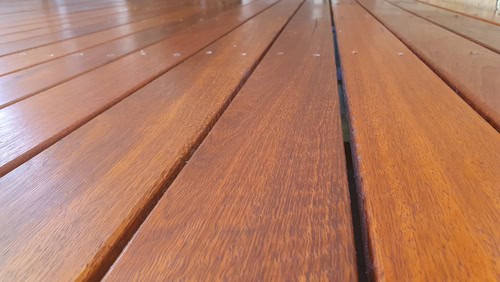
How to Waterproof a Wooden Deck?
July 12, 2024
How to Fix Scratched or Dented Hardwood Floors?
November 21, 2024How to Choose Flooring for Outdoor Areas?

How to Choose Flooring for Outdoor Areas
How to Choose Flooring for Outdoor Areas? Choosing the right flooring for outdoor areas is crucial for enhancing the beauty, functionality, and durability of your space.
Whether you’re designing a patio, deck, garden walkway, or pool area, the right flooring material must be resilient enough to withstand varying weather conditions, provide comfort underfoot, and complement the overall aesthetics of your home.
This article will guide you through the key considerations and the best flooring options for outdoor areas.
Read on – How to Choose Flooring for Outdoor Areas?
Considerations When Choosing Outdoor Flooring
Durability
Outdoor flooring is exposed to the elements, including rain, sunlight, and fluctuating temperatures.
Therefore, it’s crucial to select materials that can withstand weather changes without warping, cracking, or deteriorating over time.
Durability also includes the ability to resist wear and tear from foot traffic, particularly in high-use areas like patios and pool decks.
Slip Resistance
Safety is an essential factor when choosing flooring for outdoor areas. Wet surfaces, especially around pools or garden walkways, can become slippery, increasing the risk of falls.
Look for flooring materials with slip-resistant textures to reduce the likelihood of accidents, especially in areas that experience frequent rain or where water is present.
Aesthetic Appeal
The outdoor space is an extension of your home, and the flooring should reflect the overall style and aesthetic of your property.
Whether you prefer a modern, rustic, or classic look, the flooring should complement your landscape, outdoor furniture, and home exterior.
Consider colors, textures, and patterns that enhance the natural surroundings while providing visual harmony.
Maintenance Requirements
Outdoor flooring is often subject to dirt, debris, and stains, so ease of maintenance is important.
Some materials require regular cleaning, sealing, or refinishing to maintain their appearance and durability, while others are low-maintenance.
Understanding the upkeep needed for different materials will help you choose the best option for your lifestyle.
Cost and Budget
Cost is always a consideration when choosing flooring. Prices for outdoor flooring can vary significantly depending on the material, installation process, and long-term maintenance needs.
It’s important to balance your budget with the quality and longevity of the flooring to ensure you make a cost-effective investment.
Top Outdoor Flooring Options

Natural Stone
Natural stone, such as slate, granite, limestone, and travertine, is a premium option for outdoor flooring.
Its natural beauty and durability make it a popular choice for patios, walkways, and pool areas. Stone can add elegance and texture to your outdoor space, blending seamlessly with the surrounding landscape.
Advantages
- Aesthetic Appeal: Each stone is unique, providing a natural, organic look that adds character to your outdoor space.
- Slip Resistance: Textured stones, such as slate, have a natural grip that makes them slip-resistant, ideal for wet areas like pool decks.
Disadvantages
- Cost: Natural stone is one of the more expensive outdoor flooring options, both in terms of material and installation costs.
- Maintenance: Some stones are porous and require regular sealing to prevent staining and water damage.
2. Concrete
Concrete is a versatile and durable outdoor flooring material that can be customized with various textures, colors, and patterns.
It’s commonly used for patios, driveways, and walkways due to its strength and longevity.
Concrete can be stamped, stained, or polished to mimic the look of more expensive materials, making it a cost-effective choice.
Advantages
- Durability: Concrete can withstand extreme weather conditions without cracking or warping.
- Customizable: Concrete can be colored, stamped, or textured to create a variety of looks, from modern to rustic.
- earance.
Disadvantages
- Cracking: Over time, concrete can crack due to shifting ground or extreme temperatures. Regular maintenance, such as sealing, can help prevent this.
- Heat Retention: Concrete tends to absorb heat, making it uncomfortable to walk on during hot weather.
3. Composite Decking
Made from a combination of wood fibers and recycled plastics, this flooring offers the look of wood with enhanced durability and lower maintenance. It is a popular choice for decks and patios due to its resistance to rot, insects, and weather damage.
Advantages
- Low Maintenance: Composite decking doesn’t require sanding, staining, or sealing like natural wood. It’s resistant to rot, mold, and insect damage.
- Eco-Friendly: Many composite decking materials are made from recycled materials, making them a more sustainable choice.
- Durability: They can withstand extreme weather conditions and heavy foot traffic without warping or fading.
Disadvantages
- Cost: Composite decking is more expensive upfront than traditional wood decking, although its low maintenance requirements may offset the cost over time.
- Heat Retention: Similar to concrete, composite decking can become hot in direct sunlight, making it uncomfortable for bare feet.
4. Porcelain Tiles
Porcelain tiles are a durable, non-porous material that is ideal for outdoor use, particularly in areas exposed to moisture, such as patios and pool surrounds.
Porcelain is available in various styles, colors, and textures, including options that mimic natural stone or wood.
Advantages
- Water Resistance: Porcelain tiles are highly water-resistant, making them perfect for areas near pools or hot tubs.
- Durability: Porcelain is dense and resistant to cracks, stains, and fading, ensuring long-lasting beauty.
- Low Maintenance: Porcelain tiles require minimal maintenance, with only occasional cleaning needed to keep them looking new.
Disadvantages
- Installation Costs: Porcelain tiles require professional installation, which can add to the overall cost of the project.
- Slipperiness: Some porcelain tiles can be slippery when wet, so it’s important to choose tiles with a textured surface for outdoor use.
5. Wood Decking
Wood decking offers a warm, natural look that blends beautifully with outdoor spaces.
Common wood options for decking include cedar, redwood, and pressure-treated pine. Wood is often chosen for its aesthetic appeal and its ability to create a classic, inviting outdoor environment.
Advantages
- Aesthetic Appeal: Wood decking adds a natural, timeless beauty to any outdoor space.
- Comfort: Wood is more comfortable to walk on than other materials like concrete or stone, especially in hot weather.
- Versatility: Wood can be used for decks, pergolas, benches, and other outdoor features, making it a versatile choice.
Disadvantages
- Maintenance: Wood requires regular maintenance, including sealing, staining, and occasional sanding to prevent rot, warping, and insect damage.
- Durability: Wood is susceptible to weather damage, especially in wet climates, and may not last as long as composite or stone options.
6. Rubber Flooring
Rubber flooring is a practical, eco-friendly option often used in playgrounds, pool areas, and other spaces where safety and comfort are a priority.
Made from recycled rubber materials, this type of flooring provides a cushioned surface that is slip-resistant and durable.
Advantages
- Slip Resistance: Rubber flooring offers excellent slip resistance, even when wet, making it a safe choice for pool decks or play areas.
- Comfort: Rubber flooring provides a cushioned surface that is comfortable to walk on, reducing the impact on joints and feet.
- Durability: Rubber is resistant to wear and tear, as well as water and UV damage, making it a long-lasting option for outdoor spaces.
Disadvantages
- Aesthetic Limitations: While rubber flooring is functional, it may not offer the same aesthetic appeal as natural stone or wood.
- Cost: High-quality rubber flooring can be expensive, although its durability and safety benefits may justify the cost.
How to Maintain Outdoor Flooring

Regular Cleaning
Regardless of the material you choose, regular cleaning is essential for maintaining the appearance and longevity of outdoor flooring.
Sweep or hose off debris, dirt, and leaves to prevent them from scratching or staining the surface. Use a mild detergent and water for a more thorough cleaning, especially after heavy use or extreme weather conditions.
Sealing and Staining
Certain outdoor flooring materials, such as wood and natural stone, require sealing or staining to protect them from moisture, UV damage, and staining.
Sealing helps to preserve the material’s integrity and enhances its appearance. Be sure to reseal these surfaces periodically, following the manufacturer’s recommendations.
Repairing Cracks and Damage
Inspect your outdoor flooring regularly for cracks, chips, or other damage. Small cracks in concrete or stone can be repaired with a patching compound, while damaged wood boards should be replaced to prevent further deterioration.
How to Choose Flooring for Outdoor Areas? – Conclusion

Choosing the right flooring for outdoor areas involves balancing aesthetics, durability, safety, and maintenance requirements.
Whether you prefer the timeless appeal of natural stone, the low-maintenance convenience of composite decking, or the water resistance of porcelain tiles, each material has its strengths and considerations.
Make an informed decision that enhances the functionality and beauty of your outdoor space for years to come today!
Are you seeking a professional and reliable wood flooring contractor in Singapore? Contact us today!

