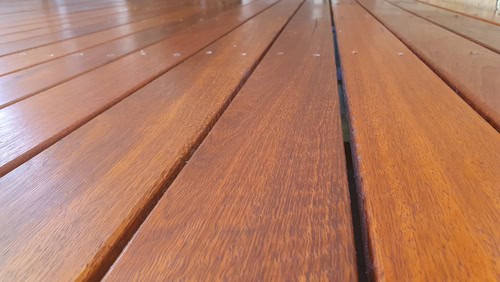

How to Choose Flooring for Outdoor Areas?
September 11, 2024How to Fix Scratched or Dented Hardwood Floors?

How to Fix Scratched or Dented Hardwood Floors
How to Fix Scratched or Dented Hardwood Floors? Hardwood floors add a timeless elegance and warmth to any home, but they are also susceptible to wear and tear over time.
Scratches, dents, and scuffs are common issues that can occur due to everyday activities, such as moving furniture, dropping objects, or even pet claws.
While minor scratches or dents can be inevitable, they don’t have to ruin the look of your beautiful hardwood floors.
With the right approach, many of these imperfections can be fixed easily without the need for professional intervention.
In this guide, we’ll explore how to fix scratched or dented hardwood floors, the different methods available depending on the severity of the damage, and some preventive measures to help maintain the pristine condition of your floors.
Understanding the Type of Damage
Before diving into the repair process, it’s essential to identify the type and severity of the damage on your hardwood floors.
There are different kinds of damage that can occur, and the treatment will depend on whether the issue is a surface scratch, a deep gouge, or a dent. Here’s a quick overview:
1. Surface Scratches:
Surface scratches are light and shallow and only affect the top layer of the hardwood finish without penetrating the wood itself.
These can be caused by grit or dirt being dragged across the floor or pet claws, and they are relatively easy to repair.
2. Deep Scratches or Gouges:
These types of scratches penetrate the finish and the wood itself.
They are usually caused by heavier impacts, such as dragging furniture across the floor or dropping heavy objects. Deep scratches may require more intensive repair methods.
3. Dents:
Dents occur when the wood is compressed due to a heavy object being dropped or placed on the floor.
Dents cause the wood to sink inward, and while they don’t break the wood fibers, they create a visible indentation.
Materials and Tools You Will Need

To fix scratches and dents on your hardwood floors, you’ll need some essential tools and materials, depending on the severity of the damage. Here’s a list of what you may need:
- Hardwood floor cleaner
- Soft cloths or microfiber cloths
- Fine-grit sandpaper (e.g., 220-grit)
- Steel wool
- Wood filler or wood putty
- Wood stain or touch-up marker (to match the color of the wood)
- Floor wax or polyurethane finish
- Furniture polish or scratch-remover products
- Putty knife
- Damp cloth
- Iron (for steam dent removal)
- Mineral spirits
How to Fix Scratches on Hardwood Floors

1. Fixing Minor Surface Scratches
Surface scratches are relatively easy to fix because they only affect the floor’s finish and not the wood itself. Here’s how to fix minor scratches on your hardwood floors:
Step 1: Clean the Area
Before beginning any repairs, make sure to clean the scratched area thoroughly.
Use a hardwood floor cleaner or a mixture of water and vinegar to remove dirt and debris. Wipe the surface dry with a soft cloth.
Step 2: Use a Hardwood Scratch Remover or Polish
For light scratches, commercial hardwood scratch-remover products or furniture polishes can help.
These products fill in the shallow scratches and blend them with the surrounding area.
Apply the scratch remover according to the manufacturer’s instructions, and buff the area with a clean microfiber cloth.
Step 3: Buff the Area
Using a soft cloth, gently buff the area in a circular motion until the scratch is no longer visible and the surface looks uniform.
This process works best for surface-level scratches where the wood itself is not affected.
2. Fixing Deeper Scratches
Deeper scratches penetrate through the finish and into the wood itself. These scratches require more effort and may involve sanding, staining, and refinishing the affected area.
Step 1: Sand the Scratch
Lightly sand the area around the scratch using fine-grit sandpaper (220-grit).
Be careful to sand only the area surrounding the scratch to avoid damaging the surrounding finish. Sand with the grain of the wood, and ensure that the surface is smooth and level.
Step 2: Clean the Area
After sanding, use a damp cloth or microfiber towel to remove any dust or debris.
Step 3: Apply Wood Filler or Putty
For deep scratches or gouges, use a wood filler or wood putty that matches the color of your hardwood floor.
Apply the filler into the scratch using a putty knife, smoothing it out so that it fills the scratch completely.
Step 4: Sand Again
Once the filler is dry, lightly sand the area again to ensure a smooth, even surface.
Step 5: Apply Stain and Finish
After sanding, apply a wood stain that matches the color of your floor to the repaired area.
Use a small brush or cloth to apply the stain and allow it to dry. Once the stain has dried, apply a polyurethane finish or wax to seal the repair and protect the area.
3. Using a Touch-Up Marker or Wax Stick
For deeper scratches that don’t require wood filler but still need attention, touch-up markers or wax sticks can be a quick and effective solution. Here’s how:
Step 1: Clean the Area
Ensure that the scratched area is clean by wiping it with a damp cloth. Let it dry completely before proceeding.
Step 2: Apply the Touch-Up Marker
Touch-up markers are available in various shades to match different wood tones. Apply the marker directly to the scratch and wipe away any excess with a cloth.
These markers work by blending the color of the wood, making the scratch less noticeable.
Step 3: Buff the Surface
Buff the area with a soft cloth to blend the touch-up with the surrounding wood. Repeat the process if needed to achieve the desired color match.
How to Fix Dented Hardwood Floors

Dents are typically caused by heavy furniture, dropped objects, or other impacts that compress the wood.
Unlike scratches, dents don’t remove the wood but rather compress it. Luckily, there’s a simple method to fix dents using steam.
Step 1: Wet the Dented Area
Dampen a clean cloth or paper towel with water and place it over the dent. The idea is to moisten the wood fibers, so they can expand back to their original shape.
Step 2: Apply Heat with an Iron
Heat the iron to medium-high, then press the iron over the damp cloth for about 10-15 seconds.
The heat will generate steam, which helps to expand the compressed wood fibers. Be careful not to apply the iron directly to the wood, as this could cause further damage.
Step 3: Check the Progress
Remove the iron and cloth and check the dent. If the dent is still visible, repeat the process until the dent rises back to the level of the surrounding wood. For deeper dents, it may take several attempts.
Step 4: Sand and Refinish
Once the dent has been lifted, lightly sand the area with fine-grit sandpaper to smooth it out. Apply a matching wood stain or finish to blend the repaired area with the rest of the floor.
Preventive Measures to Protect Hardwood Floors

While repairing scratches and dents is possible, it’s best to take preventive measures to protect your hardwood floors from damage in the first place.
Here are some tips to help you maintain your floors and keep them looking their best:
1. Use Furniture Pads
Attach felt pads or rubber pads to the bottom of furniture legs to prevent them from scratching or denting the floor when moved.
2. Place Rugs in High-Traffic Areas
Place area rugs or runners in high-traffic areas, such as hallways or entryways, to protect the floor from dirt, grit, and heavy foot traffic.
3. Keep Pets’ Nails Trimmed
Pet claws can easily scratch hardwood floors, so keep your pets’ nails trimmed regularly to minimize damage.
4. Clean Regularly
Dirt, sand, and grit can cause scratches on hardwood floors. Regularly sweep or vacuum to remove debris that can damage the finish.
5. Lift, Don’t Drag Furniture
When moving furniture, lift it rather than dragging it across the floor to avoid deep scratches and dents.
How to Fix Scratched or Dented Hardwood Floors? – Conclusion

Scratches and dents are a common issue for hardwood floors, but with the right approach, they can be fixed effectively.
Whether the damage is superficial or more significant, there are various methods available to restore your hardwood floors to their original beauty.
Taking preventive measures, such as using rugs and furniture pads, can help minimize future damage, ensuring that your hardwood floors remain a timeless feature in your home!
Are you looking for professional and reliable wood flooring specialists in Singapore? Contact us today to find out more about our services!