

How to Deal with Squeaky Laminate Floors
July 12, 2024
How to Choose Flooring for Outdoor Areas?
September 11, 2024How to Waterproof a Wooden Deck?
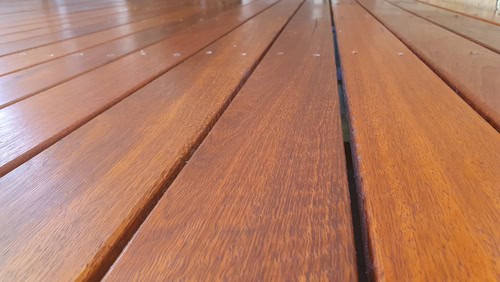
How to Waterproof a Wooden Deck
How to Waterproof a Wooden Deck? Waterproofing a wooden deck involves applying protective measures to prevent water infiltration, which can lead to rot, decay, and structural damage.
It is essential for extending the lifespan and maintaining the aesthetic appeal of the deck.
Protecting wooden decks with waterproofing treatments preserves their natural beauty, prevents deterioration from moisture exposure, and enhances durability against weather elements.
Common Challenges in Wooden Deck Waterproofing
Water infiltration causes wood to swell, warp, and eventually rot. This compromises the structural integrity of the deck and requires costly repairs or replacement.
Continuous exposure to moisture accelerates wood decay, leading to weakened boards, loose fasteners, and unsafe conditions. Proper waterproofing mitigates these risks and ensures long-term stability.
Assessment and Preparation
Inspecting the Wooden Deck
Conduct a thorough inspection to locate cracks, splits in boards, gaps in joints, and areas prone to water pooling. Use tools like screwdrivers, moisture meters, and flashlights for detailed assessment.
Utilize magnifying glasses and probes to detect hidden defects and evaluate the condition of the wood. Assess the extent of damage to plan effective repairs and waterproofing.
Cleaning and Surface Preparation
Clean the wooden deck thoroughly to remove dirt, debris, mold, and old finishes that can interfere with waterproofing products’ adhesion. Proper cleaning ensures optimal performance and longevity of the waterproofing treatment.
Use a stiff brush, mild detergent, and water to scrub the deck surface. Rinse thoroughly and allow the wood to dry completely before applying waterproofing sealants or coatings.
Choosing the Right Waterproofing Method
Types of Waterproofing Products
Penetrating sealers penetrate into the wood fibers, forming a protective barrier against moisture while allowing the wood to breathe. They enhance natural wood grain and provide long-lasting protection.
Surface sealants and coatings create a protective film on the wood surface, enhancing water resistance and UV protection. Choose products with UV inhibitors to prevent fading and discoloration.
Factors Influencing Method Selection
Select waterproofing methods that withstand Singapore’s humid tropical climate and frequent rain showers. Opt for products with mold and mildew resistance to combat local environmental challenges.
Assess the deck’s exposure to rain, sunlight, and foot traffic to determine the appropriate level of waterproofing needed. Consider the deck’s location (e.g., shaded or sunny areas) for tailored protection.
Steps to Waterproof a Wooden Deck
Repairing Wooden Deck Defects
Repair cracks and splits using wood fillers or epoxy compounds designed for outdoor use. Replace severely damaged boards to ensure structural integrity before waterproofing.
Use pressure-treated lumber for replacements and stainless steel fasteners to prevent corrosion. Sand rough patches and edges to create a smooth surface for waterproofing application.
Applying Waterproofing Sealant
Step-by-Step Guide to Sealant Application on Wood
- Surface Preparation: Clean and dry the deck thoroughly.
- Priming (if necessary): Apply a wood primer to enhance the adhesion of the sealant.
- Sealant Application: Brush, roll, or spray the waterproofing sealant evenly onto the wood surface, following the manufacturer’s instructions.
- Curing: Allow the sealant to cure for the recommended time before exposing to moisture.
Apply multiple coats of sealant as needed to achieve the desired level of protection. Pay special attention to joints, end grains, and areas prone to water pooling for comprehensive coverage.
Alternative Waterproofing Methods
Deck stains combine color enhancement with water repellency, offering aesthetic appeal and protection in one product. Choose semi-transparent or opaque stains based on desired finish and UV protection needs.
Consider factors such as maintenance requirements, aesthetic preferences, and environmental impact when selecting between penetrating sealers, surface coatings, or deck stains.
Specific Considerations for Different Deck Areas
Exterior Wooden Decks
Exterior decks face direct exposure to rain, sun, and humidity, requiring robust waterproofing solutions. Install adequate drainage systems and protective barriers to manage water runoff effectively.
Apply acrylic or polyurethane-based sealants that offer UV resistance and flexibility. Ensure the waterproofing system accommodates wood expansion and contraction due to temperature fluctuations.
Interior Wooden Decks
Interior decks benefit from breathable waterproofing systems that regulate indoor humidity levels. Choose low-VOC products to maintain indoor air quality and minimize environmental impact.
Use clear sealants or water-based coatings to preserve the natural beauty of interior wood decks. Ensure compatibility with interior finishes and furnishings for seamless integration.
Maintenance of Waterproofed Wooden Decks
Regular Inspection
Schedule annual inspections to identify signs of wear, water damage, or coating deterioration early. Prompt repairs prevent extensive damage and prolong the lifespan of the waterproofing treatment.
Monitor for discoloration, mold growth, or soft spots that indicate compromised waterproofing. Check for loose fasteners or gaps in sealant layers and address promptly.
Cleaning and Maintenance Tips
Use a mild detergent and soft brush to clean dirt and debris from the deck surface. Avoid pressure washing, which can damage sealants or coatings, and rinse thoroughly with water.
Reapply waterproofing treatments as recommended by manufacturers to maintain effectiveness. Keep gutters clear and trim overhanging vegetation to reduce debris buildup on the deck.
Benefits of Effective Wooden Deck Waterproofing
Preserving Aesthetic Appeal
Waterproofed wooden decks retain their original appearance and texture, enhancing outdoor aesthetics without discoloration or water stains. Preserve the investment in quality wood decking with proper maintenance.
Prevent mold growth, wood discoloration, and surface erosion caused by moisture exposure. Waterproofing treatments protect against UV damage and maintain vibrant wood tones over time.
Enhancing Longevity
Effective waterproofing shields wood decks from rot, mold, and mildew, extending their lifespan by preventing structural damage. Reduce maintenance costs and enjoy years of outdoor comfort and enjoyment.
Create a barrier against moisture-related issues that compromise wood integrity. Waterproofing preserves the strength and stability of the deck, ensuring safe use for family and guests.
FAQs
How Often Should a Wooden Deck Be Waterproofed?
Plan to waterproof wooden decks every 2-3 years for optimal protection against moisture and weathering, or as recommended by the product manufacturer.
Can I Waterproof a Wooden Deck Myself?
DIY waterproofing is feasible using brush, roller, or sprayer application methods for sealants or stains. Consult professional advice for complex repairs or extensive damage.
What Is the Best Waterproofing Method for Tropical Climates Like Singapore?
Choose breathable sealants or coatings that withstand high humidity and heavy rainfall typical of tropical climates. Prioritize products with mold and UV resistance for lasting performance.
How Long Does Waterproofing a Wooden Deck Last?
Properly applied waterproofing treatments can last 2-5 years or longer with regular maintenance and reapplication. Factors such as exposure levels and wood type affect durability.
What Are Signs That a Wooden Deck Needs Waterproofing?
Look for water pooling, soft spots, or wood discoloration that indicate moisture penetration. Perform a water absorption test by sprinkling water on the deck surface to assess repellency.
How to Waterproof a Wooden Deck – Conclusion

Waterproofing a wooden deck is essential for preserving its beauty, protecting against structural damage, and prolonging its lifespan.
By conducting thorough inspections, choosing suitable methods, and implementing regular maintenance, homeowners can safeguard their investments and enjoy outdoor spaces for years to come.
Invest in high-quality waterproofing products suited to the deck’s location and climate.
Follow manufacturer guidelines for application and maintenance to ensure lasting performance.
Monitor the deck’s condition regularly and address issues promptly to maximize the longevity and enjoyment of outdoor living spaces. Get started today!
Are you seeking a professional and reliable wood flooring installation service in Singapore? Contact us today!
